

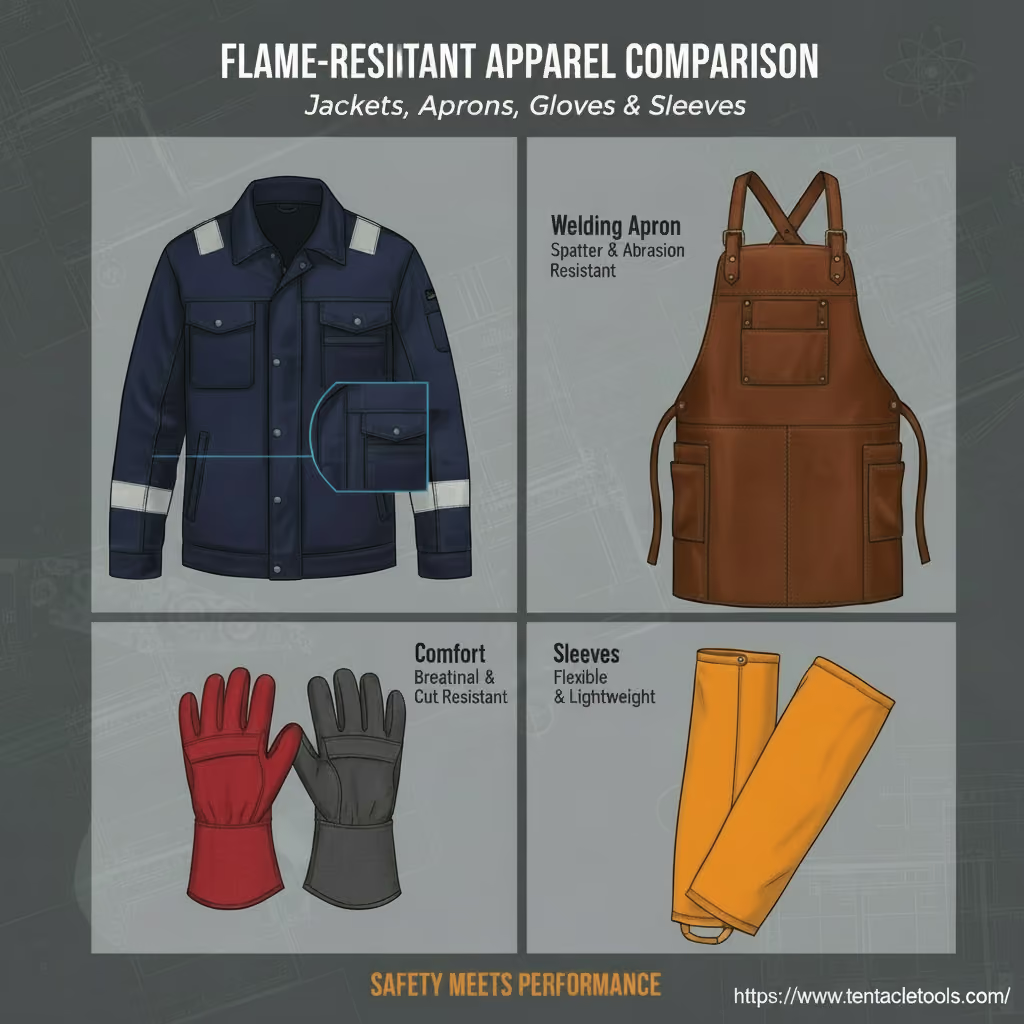
Compare flame-resistant jackets, welding aprons, gloves, and sleeves for real-world jobsite safety, comfort, and protection in various welding tasks.
Burns on the jobsite rarely come from dramatic accidents; they usually happen when sparks bounce, slag lands on a fold of fabric, or heat lingers too long. Flame-resistant (FR) apparel is designed to reduce these risks. It isn’t armor or a guarantee, but it provides reliable protection when used correctly. The best results happen when FR clothing is part of a complete welding safety setup, not used in isolation.
Choosing between jackets, welding aprons, gloves, and sleeves depends on the task. Overhead welding, bench fabrication, TIG work, or outdoor field repairs each require different protection. This guide examines how these garments perform in real-world conditions, where they fall short, and why aprons remain essential.
Fire resistance is not a single property. It is a balance between ignition resistance, heat transfer, and how the fabric behaves once exposed. Molten metal does not behave politely. It splashes, sticks, and sometimes slides.
Standards such as NFPA 2112 and NFPA 70E exist to reduce guesswork. ASTM testing fills in material specifics. None of these standards promise safety in isolation. They indicate that a garment behaves predictably under defined conditions. Understanding certifications is only part of selecting the right welding PPE gear for your job type, especially when combining apparel with helmets, gloves, and positioning tools.
Leather generally performs best against radiant heat and spatter, but results vary depending on thickness and tanning. It is heavy, slow to cool, and stiff until broken in. FR cotton breathes better, moves easily, and works well for lighter fabrication. Blended fabrics aim to combine the advantages of both, but performance can vary depending on the blend.
Other factors, such as weight and moisture, affect heat transfer. Damp fabrics conduct heat faster, a detail often overlooked.
Newer materials feature lighter weaves and improved char resistance. Some fabrics are designed to shed sparks for better safety and comfort. While promising, long-term durability data are still limited.
Jackets protect the chest, shoulders, and arms in one piece. For structural welding or overhead work, that coverage matters. Leather jackets absorb punishment well, but fatigue the wearer over long shifts. Cotton jackets breathe but can struggle with sustained spatter.
Proper fit is essential: too loose, sparks enter; too tight, movement is restricted. Jackets pair naturally with welding helmets and welding hoods, forming a continuous barrier when properly sized. Reviewing your welding helmet compatibility and fit ensures there are no exposure gaps between apparel layers.
Welding aprons protect the torso and upper legs without enclosing the arms. That simplicity explains their longevity. For bench work, pipe stands, and repetitive passes, welding aprons reduce heat load while maintaining airflow.
Aprons also layer well. A welder might use welding aprons with sleeves during hot tacks, then remove layers as conditions change. The ability to adjust matters more than full coverage in many shops.
Some assume welding aprons are incomplete protection. That depends on the task. For stationary work, they often outperform jackets by staying cooler and reducing fatigue. That is why welding aprons remain common even as other apparel evolves.
Many professionals pair aprons with positioning tools to reduce awkward reach and minimize spark exposure. Using welding clamps and magnetic holders for stable setups helps control material movement and reduces burn risk during repetitive fabrication.
Hands work closest to the arc. Gloves balance heat resistance, seam placement, and tactile feedback. TIG gloves favor thin goatskin and tight seams. MIG and stick demand thicker leather and reinforced palms.
Gloves wear out gradually, becoming stiff, thinning, or developing cracked seams. Regular inspections are more important than brand loyalty, because even the highest-quality gloves will eventually become a liability. Integrating gloves with heat-resistant welding tools and accessories further minimizes direct contact with hot material and sharp edges.
Welding sleeves exist for flexibility. They add forearm and upper arm protection without committing to a full jacket. In hot environments, that matters.
When paired with welding aprons, welding sleeves create modular protection that adapts quickly. This setup suits tack-heavy workflows and repair work. Combining sleeves with precision TIG welding accessories can also reduce stray spatter and unnecessary heat exposure during detailed fabrication.
NFPA certification confirms flame resistance under specific test conditions. It does not account for wear, contamination, or misuse. Labels list fabric composition, not how the garment fits your workflow.
Reading labels matters, but so does judgment. A certified jacket worn open fails its purpose. Welding helmets and welding hoods complete the system, yet they depend on compatible apparel underneath. Reviewing your entire welding workstation layout and PPE coordination often reveals gaps that labels alone cannot.
Protection works best when it moves with you. Tentacle Tools recommends apparel combinations based on your work: jackets with aprons for heavy fabrication, or aprons and lighter gloves for TIG bench work. Pairing gear with clamps and magnets reduces awkward positions and burn risk.
If you're refining your system, explore professional welding accessories built for real job sites to see how PPE, positioning tools, and daily-use equipment integrate into one practical workflow.
Upgrade Your Welding Safety—Shop Complete Gear Systems Today!
Welding aprons often last longer than expected when cared for correctly. Maintaining your welding tools and safety equipment alongside apparel ensures consistent long-term protection.
No chart replaces experience. Try combinations. Notice fatigue levels. Pay attention to where burns almost happen.
If you want a more structured approach, reviewing a practical FR apparel buying checklist for welders can help narrow options without overthinking. It is a practical exercise, not a commitment.
Flame-resistant apparel is not about maximal coverage. It is about appropriate coverage, adjusted over time. Jackets, welding aprons, gloves, and welding sleeves each solve a specific problem. The skill lies in knowing when to switch.
Most welders refine their setup quietly, piece by piece, until it feels right. That process never really ends.
Explore insights, tips, and trends in tech and productivity!