


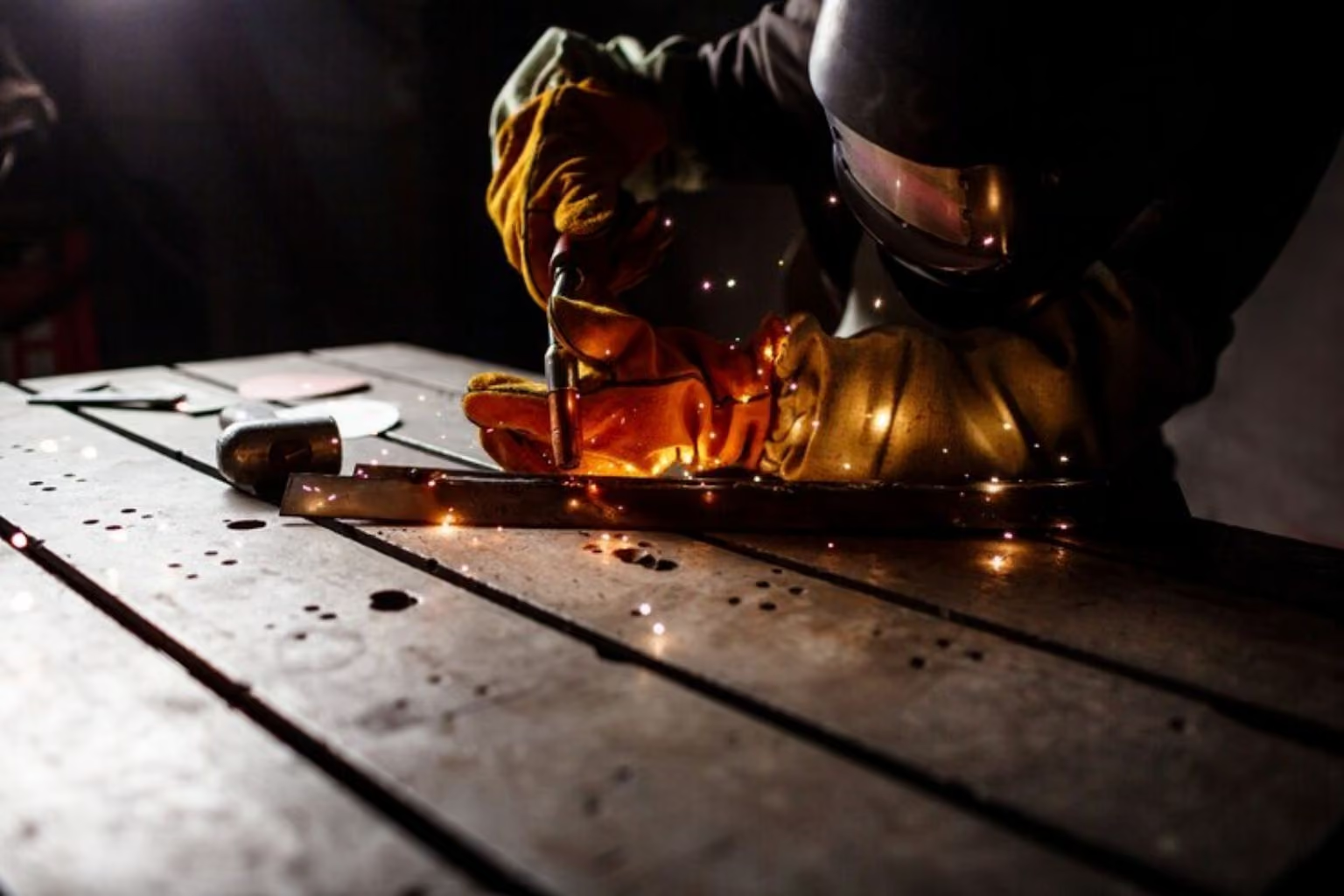
Avoid common welding tool maintenance mistakes that shorten lifespan, affect safety, and waste consumables like welding rods.
Walk through any active shop late in the afternoon, and you can usually tell which tools are cared for and which are merely tolerated. The difference shows up in arc stability, bead consistency, and even the sound a machine makes under load. Tool failure rarely happens suddenly. It develops quietly through skipped checks, rushed cleaning, and the assumption that consumables will last longer than they should. Welding rods, in particular, tend to suffer from neglect because they seem simple and replaceable. They aren’t. Over time, small maintenance mistakes compound and shorten the working life of nearly every welding setup.
Tool maintenance is not about perfection. It is about reducing avoidable wear, protecting consistency, and keeping safety margins intact.
Longevity is the obvious benefit, but safety tends to be the real driver once problems surface. Frayed cables, contaminated welding rods, and poorly maintained welding torches can introduce instability that even skilled hands struggle to correct. There is also a cost. Premature replacement of welding electrodes and grinder components adds up faster than most shops expect.
Maintenance also affects output. A properly maintained setup feeds smoothly and strikes cleanly, wasting less material and producing fewer rejects important whether you are on a pipeline schedule or handling small-batch fabrication.
Routine inspections are not audits. They are quick, habitual checks that catch problems early. Most welders look at the machine and stop there. The details matter more.
Check welding rods for moisture exposure, coating damage, or discoloration. Look over welding electrodes for uneven wear or bent ends. Inspect welding torches for spatter buildup around nozzles and gas ports. A brief glance at the welding wire feeder often reveals tension issues before feeding problems appear.
Cables deserve attention as well. Small cracks near strain points tend to grow quietly.
Daily checks can remain short and simple, focusing on the visual condition of welding rods and electrodes, cable integrity, and torch cleanliness. Weekly inspections go deeper. Connection tightness, feeder alignment, and clamp condition. Monthly reviews often involve cleaning, part replacement, and storage reassessment.
Skipping these steps usually feels harmless until arc behavior changes or a tool fails mid-job.
Although aggressive cleaning feels productive, it often does more harm than good. Strong solvents can degrade insulation, remove protective coatings, and leave residues that attract dust. Welding rods exposed to solvent fumes may absorb contaminants that interfere with arc stability.
Mechanical cleaning is more effective. Wire brushes, compressed air, and dedicated cleaning tools remove buildup without damaging surfaces. Welding grinder tools should be cleaned with attention to bearings and guards, not soaked or blasted indiscriminately.
Use brass or nylon brushes where possible. Reserve steel brushes for heavy slag removal. Clean welding torches after cooling, not immediately after use. Keep welding wire feeder components free of dust rather than polished to bare metal.
Cleaning should preserve function, not chase cosmetic perfection.
Consumables degrade gradually: contact tips widen, nozzles warp, and welding electrodes lose consistent transfer characteristics. Welding rods stored too long or handled poorly absorb moisture and become unpredictable.
Many welders unconsciously adjust their technique to compensate for worn consumables, which hides the underlying problem.
Look for inconsistent arc starts, excessive spatter, and irregular bead profiles. Welding rods that produce erratic arcs or excessive smoke are often past their usable condition. Welding electrodes showing uneven burn-back or discoloration usually need replacement.
Consumables are meant to be replaced. Stretching them rarely saves money in the long run.
Loose clamps create resistance. Resistance creates heat. Heat damages insulation and weakens connections further. Over time, arc stability suffers, and safety risks increase.
Frayed cables may still conduct current, but unpredictably, which shows up as arc wander, inconsistent penetration, and operator fatigue.
Avoid tight bends near connectors and store cables in loose coils. Clean clamp contact points regularly, and replace damaged insulation promptly instead of repeatedly taping over it.
Cable care is not glamorous, but it protects every other component in the system.
Storage is where many tools quietly deteriorate. Welding rods exposed to humidity absorb moisture even when they appear fine. Welding electrodes stored loosely collect dust and oils. Welding grinder tools left on concrete floors draw moisture into bearings.
Rust can form even without visible water; ambient humidity alone is sufficient to start corrosion on exposed metal tools.
Store welding rods in sealed containers or controlled environments. Keep welding electrodes organized and protected from shop contaminants. Hang welding torches and cables off the floor. Store grinder tools in dry cabinets or cases.
Storage is a form of maintenance. Treat it that way.
Cheap replacement parts often cost more in the long run, as poor tolerances accelerate wear on other components. Skipping maintenance logs also hurts. Memory is unreliable, especially in busy shops. Simple tags or labels noting replacement dates reduce guesswork.
Another quiet issue. Mixing old and new welding rods without rotation. First in, should be first out.
Daily habits stay simple. Visual checks, quick cleaning, and proper storage at shift end. Weekly routines include deeper inspection of welding torches, welding wire feeder tension, and cable connections. Monthly maintenance involves part replacement, grinder inspection, and inventory review.
Overcomplicated maintenance systems often fail, while simple routines tend to persist.
Basic brushes, labeled bins, inspection tags, and storage tubes go a long way. Some shops rely on magnetic trays or small organizers to keep welding electrodes and rods separated by type and condition.
At this stage, many welders look for tools designed with real jobsite use in mind. Brands like Tentacle Tools focus on practical accessories and gear tested by working professionals, which can make daily maintenance less of a chore and more of a habit.
If maintenance feels easier, it usually happens more often.
Make maintenance effortless equip your shop with the right tools and storage today!
How often should welding rods be inspected?
A quick visual check daily is usually enough, with deeper inspection weekly.
Can moisture really ruin welding electrodes?
It appears so. Even moderate humidity can affect coating performance over time.
Is cleaning after every job necessary?
Light cleaning helps. Deep cleaning works better on a scheduled basis.
When should welding torches be replaced instead of repaired?
If structural damage or repeated failures occur, replacement is often safer.
Do maintenance logs actually help?
They tend to reduce missed replacements and extend overall tool life.
Maintenance is rarely about adding time. It is about removing friction, avoiding surprises, and keeping welding rods and equipment performing the way they were intended to. Most mistakes are not dramatic. They are small, repeated, and quietly expensive.
For shops that want structure without complexity, a printable maintenance planner can help standardize checks without slowing work down. And for individuals, reviewing storage and consumable habits may prevent the next frustrating failure.
The tools you rely on every day reflect how they are treated not immediately, but eventually.
Explore insights, tips, and trends in tech and productivity!