

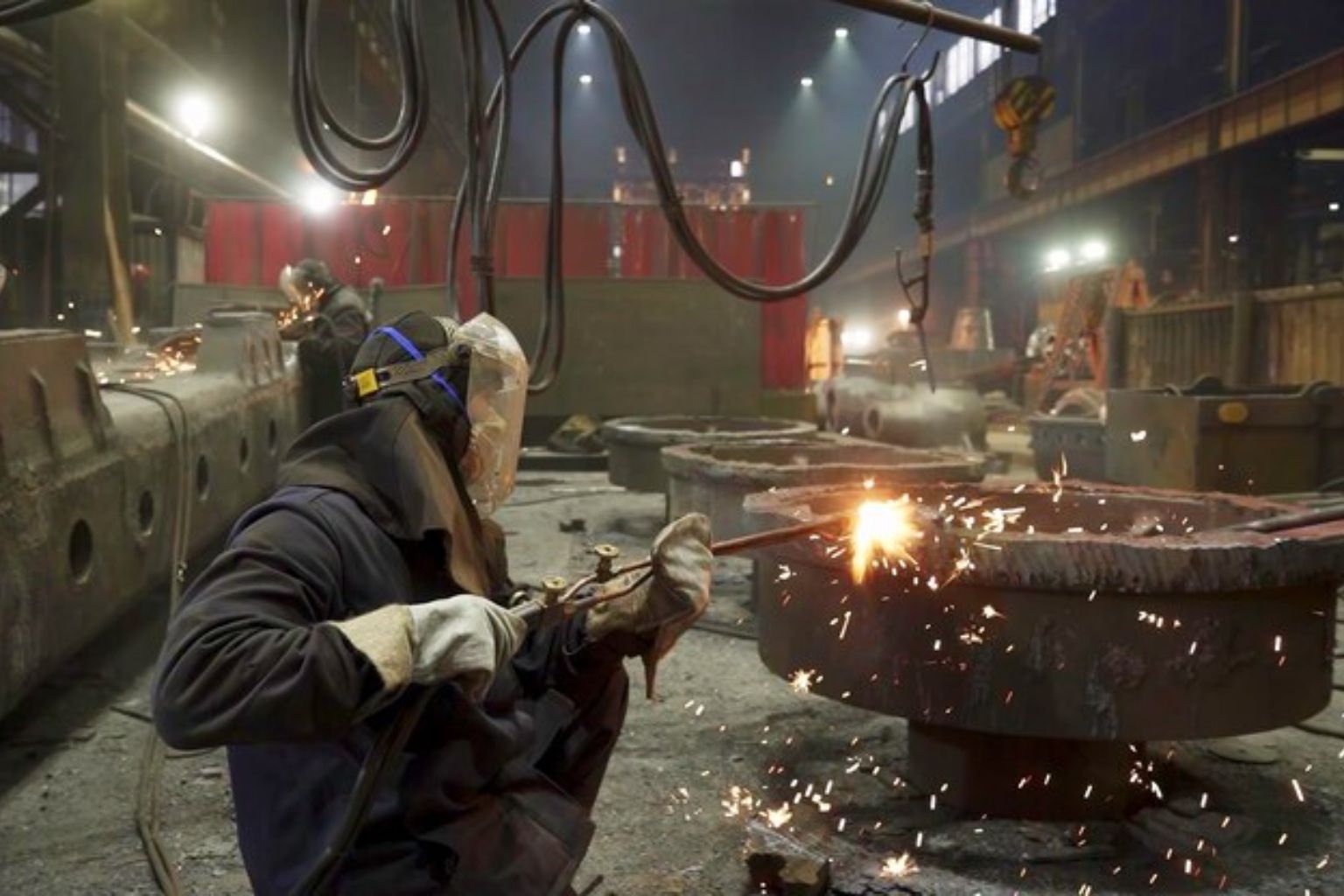
Learn how to create a disaster-proof welding station with the right tools, PPE, and planning tips to stay safe and maintain operations during disruptions.
Most welding stations are designed for steady output, not unexpected disruptions. Power flows reliably, materials arrive on schedule, and the floor layout assumes everything goes smoothly. That assumption usually works until it doesn’t. A tripped breaker, a small fire, or a ventilation failure can occur at any time. These aren’t rare events in busy shops, yet many setups quietly rely on luck to keep operations running.
A disaster-proof welding station is less about extreme scenarios and more about tolerating everyday failures without compounding them. The goal is continuity. Safe shutdowns. Fast recovery. It sounds obvious, yet it’s often overlooked during setup, especially when deadlines press and budgets tighten.
Disaster-proof does not imply indestructible. It suggests a station designed to absorb disruption and limit damage when conditions drift outside normal bounds.
Fire resistance matters, but so does visibility when smoke rolls in. Ventilation matters, but so does what happens when it stops. Even welding tables play a crucial role, especially when heat, weight, or clamping loads spike unexpectedly.
A resilient setup accepts that failures will happen. It plans for them instead of reacting late.
Lost arc time is easy to measure, but the secondary effects are harder to spot: missed delivery windows, scrapped parts from rushed restarts, and minor injuries that can keep skilled welders off the job for weeks.
Preparedness shifts cost forward. That may feel uncomfortable. Still, downtime compounds quickly, while investments in PPE, layout, and redundancy tend to pay for themselves quietly over time.
Shops that weather disruptions best usually aren’t larger. They’re simply prepared.
Every welding station carries a predictable risk profile. Fire remains the obvious one. Sparks travel farther than expected, especially around welding curtains that are poorly rated or damaged. Fumes accumulate faster when the extraction gets blocked or when power fluctuates.
Electrical risk follows close behind. Overloaded circuits. Improvised extensions. Chargers are sharing outlets with machines that draw hard on startup.
Less dramatic hazards matter too. Cluttered welding tables reduce reaction time. Loose welding clamps become projectiles when struck.
Complex frameworks aren’t required. A basic matrix works. Likelihood on one axis. Impact on the other. Anything that scores high on both deserves attention first.
This process often exposes small fixes with outsized benefits. Moving a curtain track. Replacing a cracked helmet lens. Relocating a fire extinguisher so it’s actually reachable.
Fire-resistant clothing is often treated as a baseline requirement. In practice, its condition matters as much as its rating. Welding aprons with worn seams or contaminated fabric don’t perform as expected when heat spikes.
Welding helmets deserve similar scrutiny. Auto-darkening units rely on sensors and batteries that can fail at inconvenient moments. Keeping a passive backup nearby sounds old-fashioned. It’s still common sense.
Gloves and boots rarely fail dramatically. They degrade slowly. Heat cycles stiffen leather. Soles separate. Inspection catches these issues early.
PPE stored near grinding dust, oil, or direct sunlight ages faster. Simple separation helps, such as using covered hooks, sealed bins, or dedicated drawers.
It may seem excessive until a helmet lens fogs during an emergency weld repair and visibility drops to zero.
Portable extinguishers are standard. Less common are heat sensors or localized alarms that alert before flames spread. These don’t replace good housekeeping. They buy time.
Welding curtains also plays a role here. Properly rated curtains contain sparks and reduce fire spread. Damaged ones do the opposite.
Backup lighting matters when power flickers. So does having an extraction that restarts cleanly without manual resets.
Organization is part of preparedness. Lockable storage keeps welding clamps, consumables, and specialty tools where they belong. During a disruption, searching wastes time.
Well-laid-out welding tables contribute too. Clear surfaces allow quick isolation of hot work. Clutter does not.
Power interruptions rarely announce themselves. Machines stop mid-bead. Ventilation drops out. Chargers die silently.
Even small continuity measures help, such as battery-backed task lighting, clearly labeled shutoff procedures, and knowing which circuits support extraction versus tools.
Some shops invest in portable generators. Others rely on rapid shutdown protocols. The right choice depends on scale and risk tolerance. What matters is having a plan that’s been thought through before the lights go out.
Midway through these decisions, it’s worth noting that the reliability of critical tools, such as welding clamps, lights, and ventilation systems, becomes essential. Brands like Tentacle Tools focus on gear tested under real job conditions, which tends to show when everything else around the station starts to fail.
Shop Tentacle Tools – Built for Real-World Reliability
Fire, electrical failure, injury. These scenarios don’t need binders. They need clarity.
Short, visible instructions beat comprehensive manuals. Who cuts power? Who calls for help? Where first aid lives.
Welding helmets off before evacuation. Welding aprons are removed if they’re burning. These details matter under stress.
During an incident, noise and confusion interfere quickly. Hand signals. Posted contact numbers. A simple headcount process.
Preparedness shows itself most clearly in how calmly people move when something goes wrong.
Drills don’t need to stop production for hours. Short simulations work. Kill a circuit intentionally. Time the response. Observe what slows people down.
It’s common to discover that welding curtains block exit paths or that clamps stored high become hazards during evacuation.
Inspection intervals tend to slip, so scheduling them alongside regular equipment maintenance helps ensure helmets are tested, extinguishers checked, and welding tables inspected for grounding integrity.
Small failures caught early prevent large ones later.
What is the most overlooked element of welding preparedness?
Often it’s an organization. Poorly placed welding clamps and cluttered welding tables slow response times.
How often should PPE be inspected?
Light checks weekly. More thorough inspections monthly or after any incident.
Do welding curtains really affect safety that much?
Yes. Properly rated welding curtains reduce fire spread and protect adjacent work areas.
Is backup power necessary for small shops?
Not always. Clear shutdown procedures and emergency lighting may be sufficient.
Can drills actually improve safety?
They tend to reveal layout and communication problems that aren’t obvious otherwise.
A disaster-proof welding station isn’t defined by how it looks on a perfect day. It shows its value when conditions slip, power wavers, or smoke thickens unexpectedly. Most improvements are unglamorous. They’re also effective.
The question isn’t whether disruption will happen. It’s how much control you retain when it does.
Explore insights, tips, and trends in tech and productivity!