


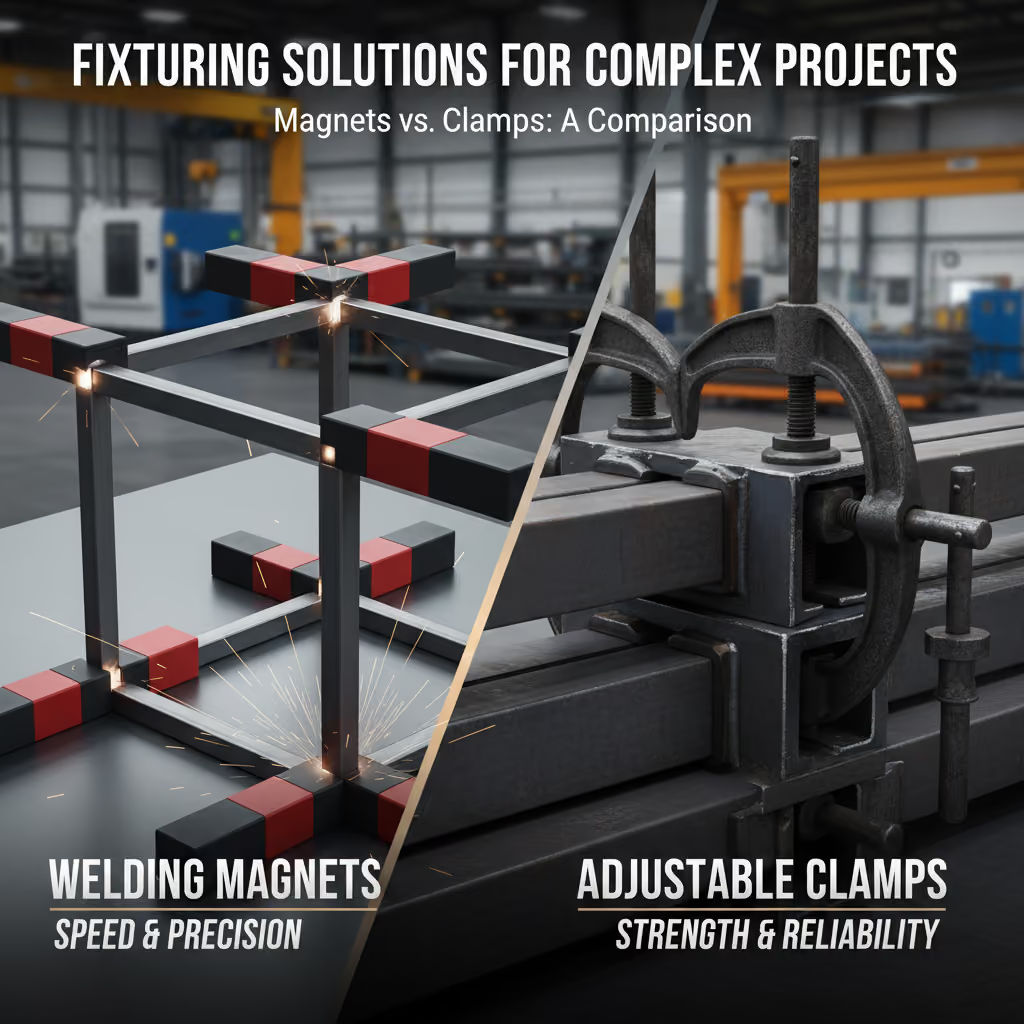
Compare welding magnets and adjustable clamps to choose the right fixturing approach for complex welding projects.
Precision rarely comes from the weld alone. Most problems show up earlier, during fit up, alignment, and the quiet moments when parts are held in place before the arc ever starts. In shops and field setups alike, the choice between magnets and clamps shapes the outcome more than many realize. For anyone scanning welding magnets for sale and wondering if they really replace adjustable clamps, the answer tends to be nuanced.
This comparison looks at where each tool excels, where it falls short, and why experienced welders often keep both within arm’s reach.
A joint that shifts during tacking rarely forgives you later. Angles can shift, gaps can form, and heat can pull the material in unwanted directions. Good fixturing does not guarantee a perfect weld, but weak fixturing almost guarantees frustration.
Complex projects raise the stakes. Multi plane assemblies, odd angles, mixed thicknesses. Speed matters, but so does control. The question is not magnets or clamps in isolation. It is when each one earns its place.
Most people encounter flat base and multi angle magnets first. They are simple, predictable, and quick to deploy. Adjustable gooseneck styles add reach and visibility. Switchable magnets are heavier, often more expensive, but give control when metal debris becomes a problem.
Across all types, the appeal is obvious. Set it down, snap it into place, move on.
Magnets shine during layout. They hold pieces at repeatable angles without fiddling with screws. When scanning welding magnets for sale, speed is usually the selling point, and rightly so. For light to medium sections, magnets can cut setup time dramatically.
They also play well on welding tables where flat reference surfaces already exist. Square tubing frames, sheet metal tacks, and bracket positioning. All benefit from quick magnetic positioning.
Magnets only work on ferrous materials. That seems obvious until aluminum shows up mid project. Heat also weakens magnetic pull. Heat also weakens magnetic pull, not instantly, but gradually over time. Long welds near the magnet can reduce holding force in ways that are hard to notice until alignment drifts.
This is why many seasoned welders treat magnets as temporary helpers, not final guardians.
C clamps and F clamps remain staples for a reason. Pipe clamps handle round stock better than magnets ever will. Specialty weld clamps add reach or offset pressure where clearance is tight.
Compared to magnets, adjustable clamps feel slower. They are. But they also provide a consistent mechanical force that heat does not easily compromise.
Clamps excel on thick material and non magnetic alloys. They handle distortion better during longer welds. If tight tolerances matter, clamps usually get the final say.
When paired with welding clamps designed for fabrication rather than carpentry, alignment becomes predictable rather than hopeful.
Setup takes longer. Clearance matters. Clamps can crowd the work area, especially around tight joints or when welding torches need space to maneuver.
Speed favors magnets, no debate there. Holding power belongs to clamps. Angle flexibility often leans toward magnets early, then swings back to clamps as the project heats up. Heat resilience remains a clear advantage for clamps.
Most published tool specs confirm this pattern. Switchable magnets might hold up to 90 pounds at room temperature, but their holding strength drops significantly under sustained heat. A clamp rated for a similar force barely notices temperature changes.
Magnets move fast here. Layout, tack, adjust. For small frames and panels, welding magnets for sale are often the first purchase for a reason.
Clamps dominate round stock, though magnets help with initial positioning. A combined approach reduces frustration.
Clamps win. Even slight movement matters. Magnets may assist early, but final tacking usually happens under clamp pressure.
This recommended approach is not a strict rule but reflects patterns observed across varied job sites, rather than rigid guidelines.
Magnets speed squaring during layout. Tacks go in quickly. Before full welds, clamps replace magnets to prevent heat pull. The transition matters more than the tool itself.
Magnets help position plates, but clamps take over immediately. Thick steel does not forgive a weak holding force.
Mixed materials complicate things. Magnets assist on mild steel panels. Clamps handle heavier brackets and alignment near weld seams where heat builds fast.
Across these examples, welding magnets for sale appear most valuable when paired thoughtfully with clamps, not when used alone.
Heat affects magnets gradually rather than dramatically, which makes the effect easy to overlook. A common professional tip is to use magnets only for tack welds, then switch to clamps before making the final passes.
Proper gloves are essential. Handling hot magnets or clamps without protection can lead to mistakes. Welding pliers are useful for repositioning hot fixtures safely, without disrupting workflow.
Work surface stability also plays a role. Solid welding tables improve both magnet grip and clamp reliability, reducing variables that cause misalignment.
Many experienced shops opt for a hybrid approach: magnets for layout, clamps for final alignment. It’s not flashy, but it gets the job done.
At Tentacle Tools, this thinking shows up in how tools are designed and recommended. Products tend to solve specific shop problems rather than replace entire workflows. A welder grabbing welding magnets for sale alongside well built clamps is usually planning ahead, not overspending.
If reducing setup time without sacrificing accuracy matters, reviewing tool combinations rather than single purchases often pays off.
Discover the ideal tool combos for your shop—shop welding magnets and clamps today and work smarter, not harder!
Magnets attract spatter and filings. Switchable designs help, but regular maintenance is still essential. On complex assemblies, cluttered magnets can subtly shift angles and throw off alignment.
Clamps avoid these issues, but they come with their own challenges: clearance problems, restricted torch access, and extra setup steps.
Neither tool is perfect. Understanding the limitations of each and recognizing when one may hinder progress is key to professional judgment.
They can be, but prolonged heat reduces holding force. Many welders move them after tacking.
Yes. Clamps remain effective regardless of magnetic properties.
Magnets often help beginners with layout, but clamps become necessary as projects grow heavier.
Indirectly. Heat from welding torches contributes to temperature buildup that weakens magnets over time.
For complex work, it is likely the most reliable approach.
The better tool is rarely the one you use exclusively. Welding magnets for sale appeal because they promise speed, and they deliver it early in the process. Adjustable clamps slow things down, yet they protect alignment when heat and weight increase.
Complex projects reward those who switch tools at the right moment. That decision tends to separate clean welds from corrective grinding.
For those refining their setup strategy, start by evaluating where alignment fails most often. The answer usually points to the next tool worth adding.
Explore insights, tips, and trends in tech and productivity!