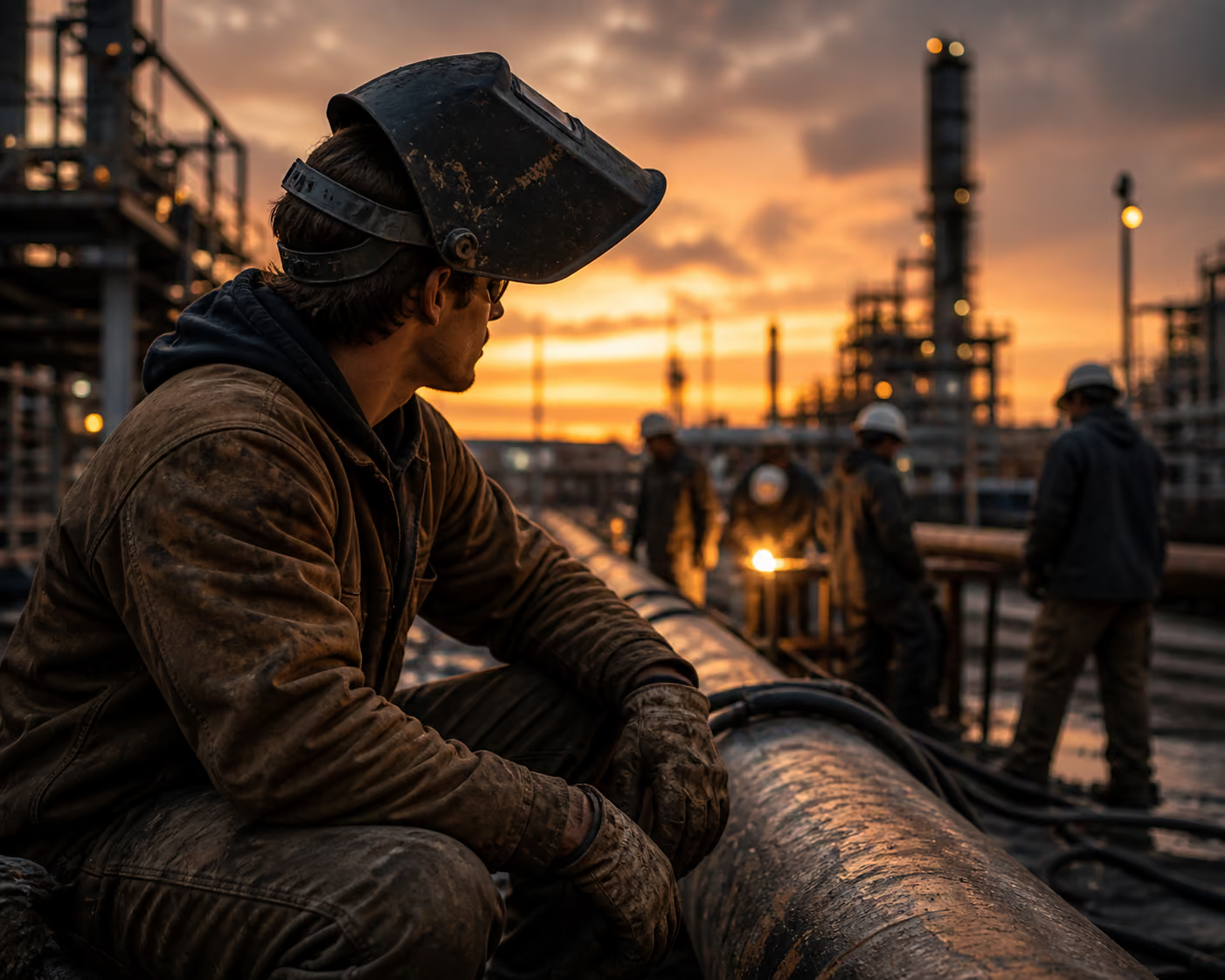


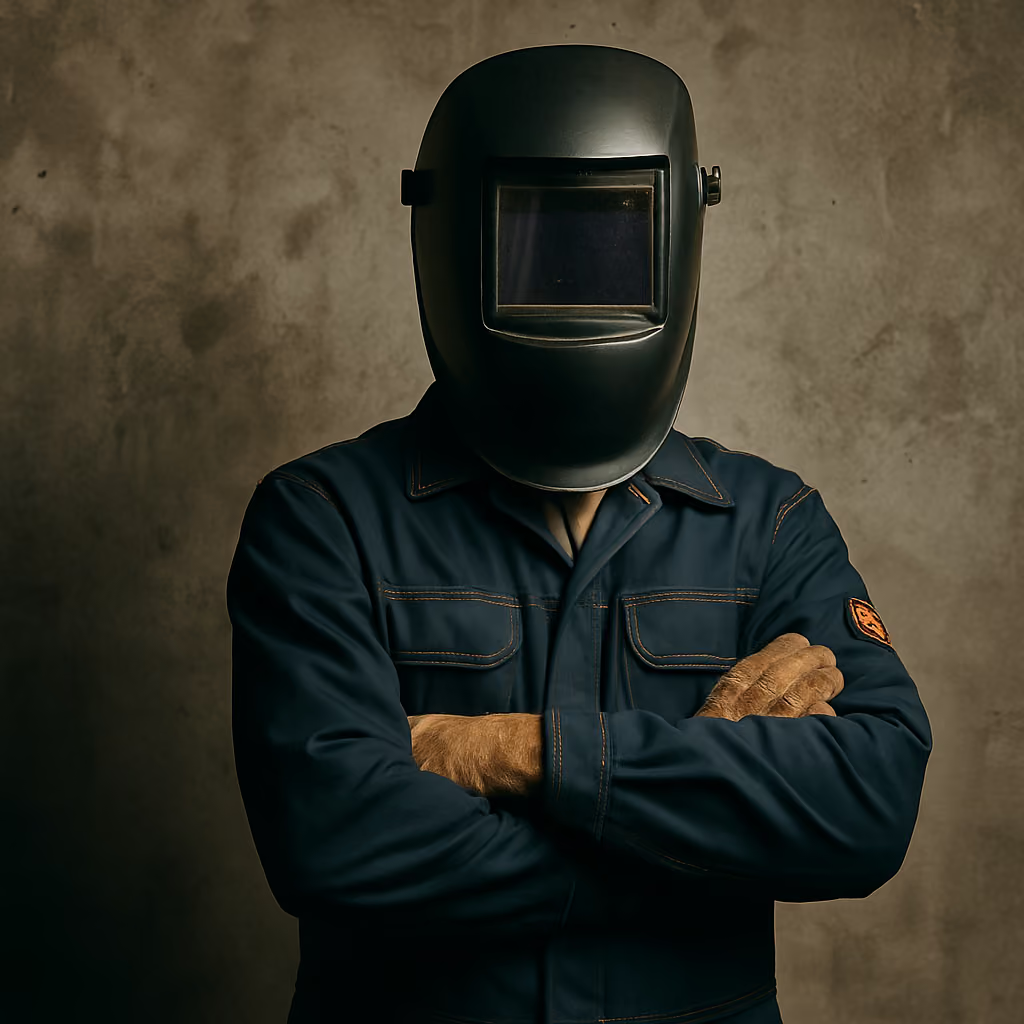
Welding influencers, FR apparel brands, and the image problem: safety gear is meant to keep people alive, not sell a lifestyle.
FR apparel exists for one reason: to keep people alive.
It is not a lifestyle brand. It is not streetwear. It is not a costume. It is safety equipment that welders, pipefitters, linemen, and refinery workers rely on when things go wrong.
So when FR apparel companies lean heavily on welding influencers to sell their gear, it raises an important question:
Is this about protection, or promotion?
Over the last few years, FR apparel companies have shifted their marketing away from jobsites and into social media.
Instead of field testing, craft credibility, and long-term wear data, many brands now rely on:
The influencer gets paid. The brand gets attention. The audience gets marketed to.
But attention does not equal protection.
Influencers are not selected because they represent the average welder.
They are selected because:
Most influencers:
That creates a gap between how the product is presented and how it performs in real conditions.
You will notice a shift in messaging:
There is nothing wrong with wanting gear that fits better or looks decent. But when style starts to outweigh substance, safety becomes secondary.
FR apparel should not be sold like merch.
When protection is treated like fashion, the trade pays the price.
What you rarely see:
These are the things that matter when a foreman checks tags or when something flashes over.
Influencer content does not show that, because it does not sell well.
When an influencer promotes FR gear as “the best” without real long-term exposure, testing, or disclosure, it blurs the line between opinion and safety claim.
That matters.
Because if a worker trusts a recommendation and the gear underperforms, the consequences are not a bad review. They are burns, injuries, or worse.
FR is not a hoodie. It is PPE.
At Tentacle Tools, we believe credibility in the trades is earned the hard way.
Real FR credibility comes from:
Influencers can be part of the conversation. But they should never be the foundation of trust for safety equipment.
FR apparel companies are not wrong for marketing. Influencers are not wrong for getting paid.
But when safety gear is sold primarily through image instead of proof, workers deserve to ask better questions.
If a brand truly believes in its product, it will not need filters, discount codes, or curated workdays to prove it.
Because in the trades, real work exposes everything.
Tentacle Tools
Explore insights, tips, and trends in tech and productivity!