


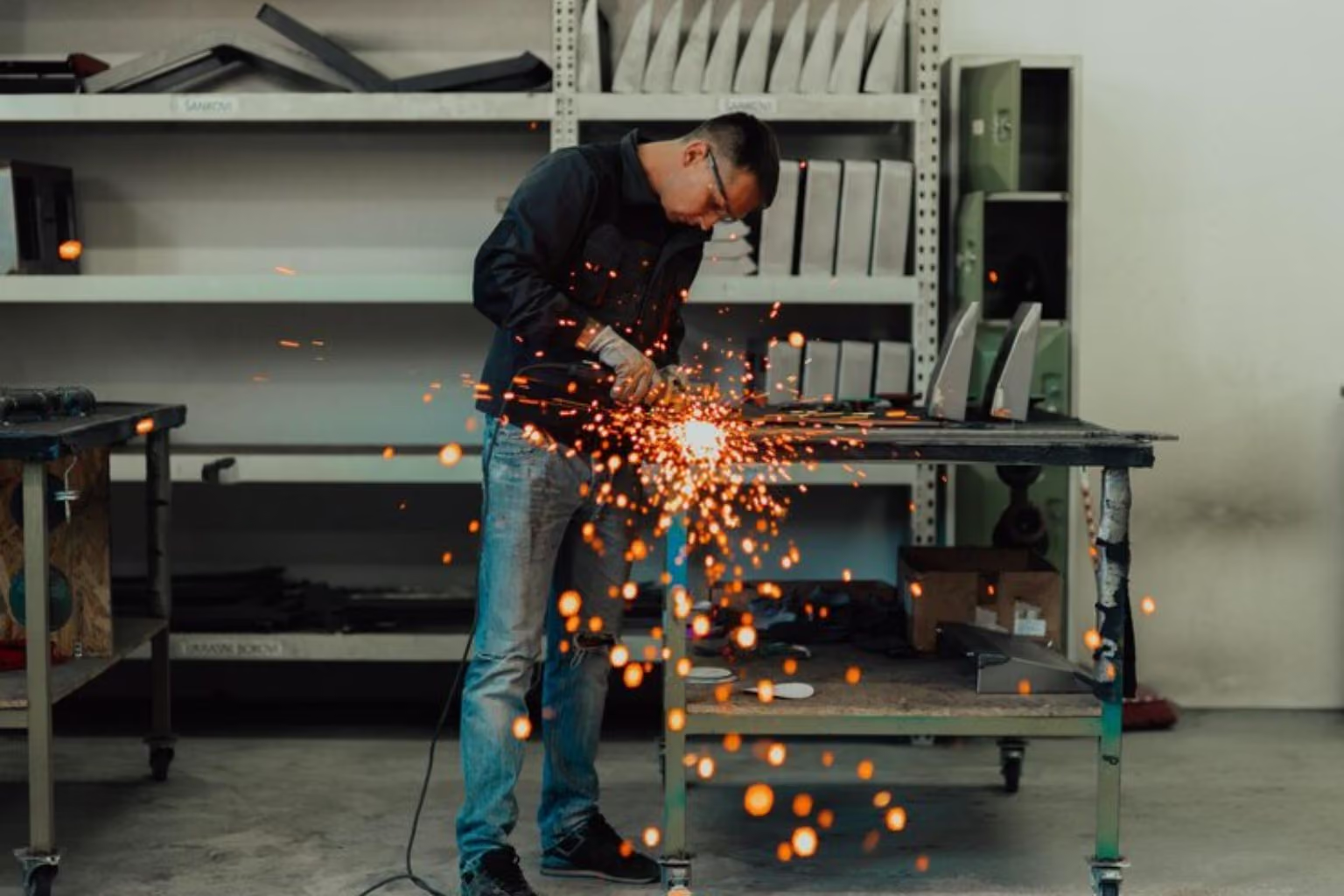
A practical guide to welding tool storage that reduces damage, improves safety, and keeps welding tables and tools ready for work.
A workshop environment reflects how work actually gets done. Walk into a welding space where tools are scattered, damp, or half-buried under scrap, and you can almost predict the issues that will follow: slower setups, damaged cables, and unexpected rust. Welding tables often become the dumping ground when storage fails, which is usually the first sign that the system needs attention.
Good storage is not about aesthetics, it’s about control: over time, tool condition, and the mistakes that occur when you hunt for the right clamp instead of fitting the joint.
Most welders invest carefully in machines and consumables, yet storage is often treated as an afterthought. The consequences are subtle but real: tools wear out faster, setups take longer than planned, and minor hazards quietly accumulate.
A few consistent benefits tend to surface once storage is handled properly.
Longer tool life comes first. Moisture and grinding dust are relentless, especially around welding tables where sparks and slag land daily. The organization also sharpens efficiency. Knowing where tools live reduces hesitation and repeated movements. Safety improves as well, since cluttered floors and overloaded surfaces are less likely to cause slips or dropped gear.
None of this requires a perfect shop; it requires intention.
Tools left exposed near welding tables face heat, spatter, and impact. Clamps warp when tossed into bins. Precision tools lose alignment. Grinder guards get bent. These are not dramatic failures. They are the gradual wear and tear that reduces reliability.
Moisture enters shops through humidity, open doors, and environmental exposure. Steel tools left in contact with concrete or unsealed wood are especially vulnerable. Corrosion rarely announces itself early. By the time it is visible, performance has already slipped.
Searching for misplaced tools wastes time and extends setup durations. Multiply that by a full week, and the cost becomes clear. The organization does not add speed directly. It removes friction.
Welding clamps, welding magnets, and welding pliers fall into a category of constant use. They touch nearly every job. Because of that, they deserve storage close to welding tables without living on top of them.
Wires, rods, electrodes, and grinding discs suffer when exposed. Even short-term humidity can affect arc stability and bead quality. These materials need protection more than visibility.
Helmets, gloves, and jackets should not compete for space with metal tools. Heavy equipment is kept low and stable, never stacked near welding tables where it can fall.
A small cabinet in a dry area often outperforms a large rack near an open door. Ventilation reduces condensation. Sealed containers add another layer of protection.
Grouping by frequency helps. Tools used every hour should live within arm’s reach of welding tables. Occasional tools can sit farther away. Rarely used items should be labeled clearly to avoid digging.
Tags, color coding, or simple outlines on pegboards keep tools returning to the same place. It seems minor. Over time, it becomes automatic.
Drawers protect against dust and spatter, and shallow drawers prevent stacking, which can cause damage. Locking cabinets also reduces loss in shared shops.
Visibility helps memory. Pegboards work well near welding tables when heat exposure is managed. Heat shields or spacing reduce spatter buildup.
Simple steel racks tailored to your tool sizes often outperform store-bought systems. They fit the work instead of forcing a compromise.
Dedicated electrode ovens or sealed containers with desiccant protect weld quality. This is one area where cutting corners usually backfires.
Carts bring tools to the job instead of pulling welders away from welding tables. Mobility supports consistency, especially on larger projects.
If you are refining your setup and want gear designed by people who actually work in shops, it may be worth reviewing tools and accessories designed by professionals for shop use. Their product decisions reflect real jobsite use rather than catalog aesthetics.
Welding clamps store best on racks or foam inserts that prevent jaw misalignment. Tossing them into bins invites bending over time.
Reels work for active jobs. Sealed bins make sense for backup wire. Moisture control matters more than convenience here.
Welding magnets often arrive strong and precise, yet they lose effectiveness when grit builds up. Store them dry and away from grinding debris.
Humidity-controlled boxes reduce waste. Electrodes last longer, and beads remain consistent when stored in dry, controlled environments. The difference is noticeable.
A well-built cart holds grinders, clamps, and leads without crowding welding tables. Its balance and wheel quality matter more than aesthetics.
Simple bar stock welded into slots keeps welding clamps aligned and accessible. This is a quick-win project.
Repurposed cabinets with low-watt heaters offer controlled environments without heavy investment. Not perfect, but effective.
Clean tools before storing them. Grinding dust attracts moisture. Monthly checks catch rust early. Light oil on moving parts helps, especially for welding pliers and adjustable clamps. These habits extend tool life quietly.
Here’s a practical tip: audit your welding tables at the end of each shift. If tools are left behind overnight, your storage system isn’t working as it should. Make the necessary adjustments.
Define tool locations, verify dry storage, place high-use items near welding tables, and list investment priorities, including racks for welding clamps, protected bins for grinders, and sealed storage for consumables. Keep the checklist visible and update it whenever tools or setups change.
When it comes to protecting your welding tools and optimizing your workflow, Tentacle Tools delivers more than just equipment it delivers solutions tested by professionals who know the job firsthand. From rugged clamps and precision magnets to durable safety gear and workwear, every product is designed to withstand real-world conditions while keeping your workspace organized and efficient. Backed by practical insights, user-tested designs, and a focus on quality, Tentacle Tools helps welders and tradespeople save time, reduce tool damage, and focus on what matters most: getting the job done right.
Don’t Let Poor Storage Slow You Down – Order Professional-Grade Tools Today!
How often should welding tools be inspected for rust?
Monthly checks catch early corrosion before the function suffers.
Should welding tables be used for storage between jobs?
Ideally no. Clear tables reduce damage and speed setup.
Are pegboards safe near welding areas?
Yes, when spaced properly and shielded from direct spatter.
Do welding magnets lose strength if stored poorly?
They can, especially when exposed to grit and moisture.
Is DIY storage reliable long-term?
It can be, if built with stable materials and maintained.
Good storage does not slow work. It clears the path for it. Tools remain sharp, and welding tables stay clear. The shop feels quieter, even when the arc is loud. If you are refining your setup, take photos as it evolves and compare what changes first. The answers usually show up before the checklist is complete.
Explore insights, tips, and trends in tech and productivity!