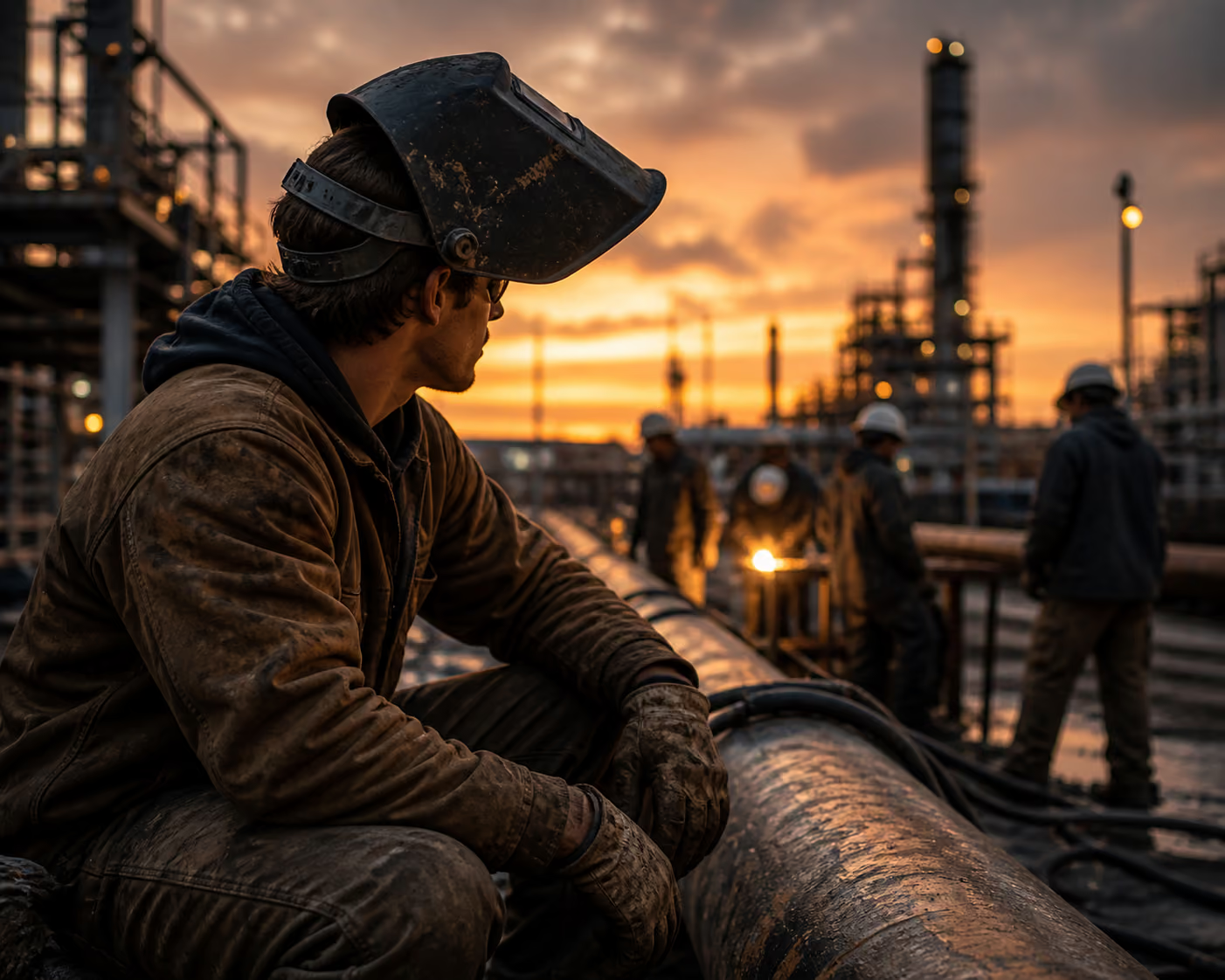
A Blue-Collar Guide to Power Plants, Refineries, and Chemical Facilities
April 8, 2026
Read Time
Share Article
Table of Contents
Not All Plants Are the Same
A Blue-Collar Guide to Power Plants, Refineries, and Chemical Facilities
By Tentacle Tools
The Reality Most New Hands Don’t Understand
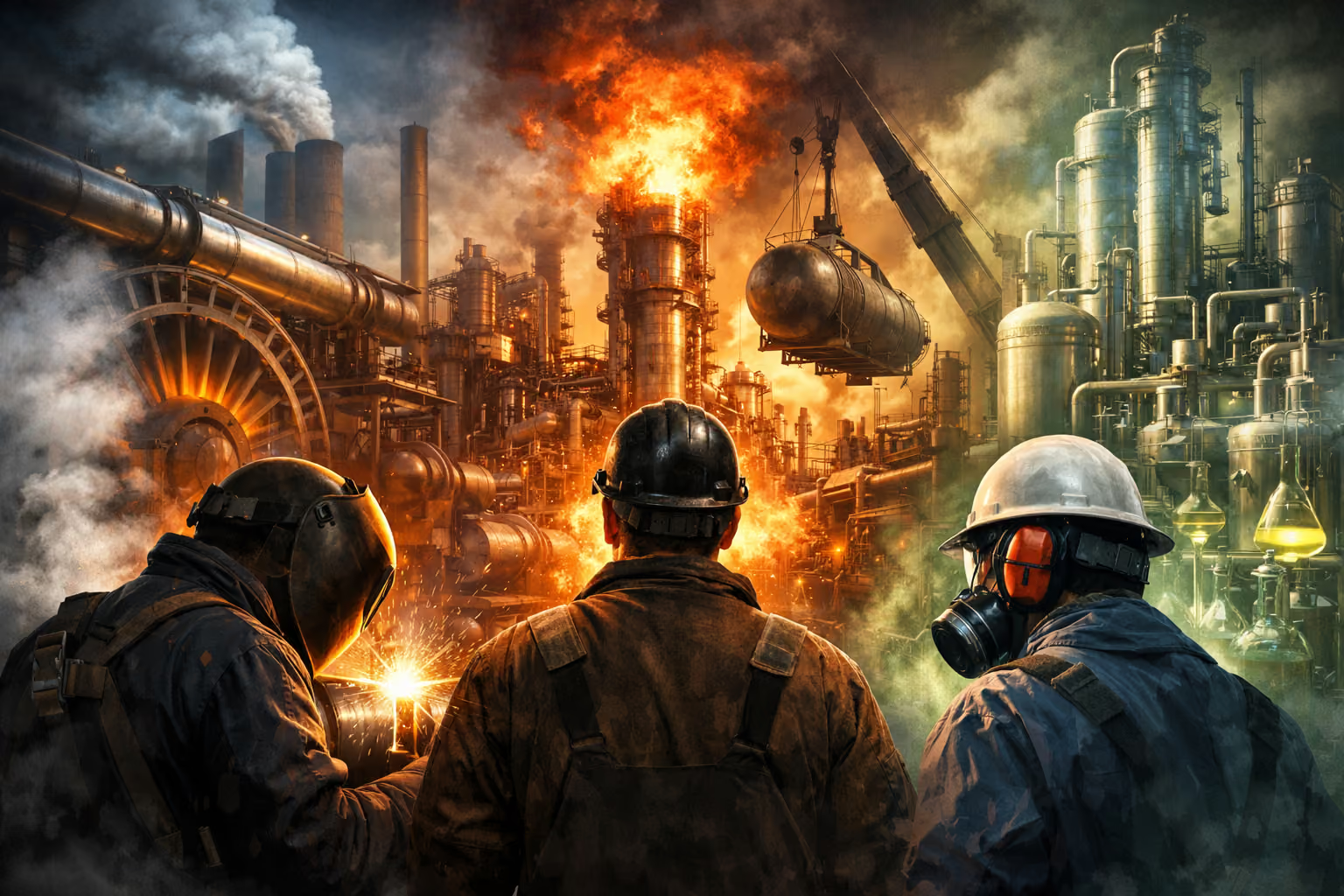
If you’re new coming into this industry—pipefitter, welder, or rigger—you might think a “plant is a plant.”
It’s not.
Walking into a coal-fired power plant is a completely different world than stepping into an oil refinery… and both of those are miles apart from a chemical facility.
Different systems. Different pressures. Different hazards.
And if you don’t understand that—you can get hurt, or worse.
Let’s break it down the real way.
Coal-Fired Power Plants – Heat, Steam, and Pressure
What You’re Working With
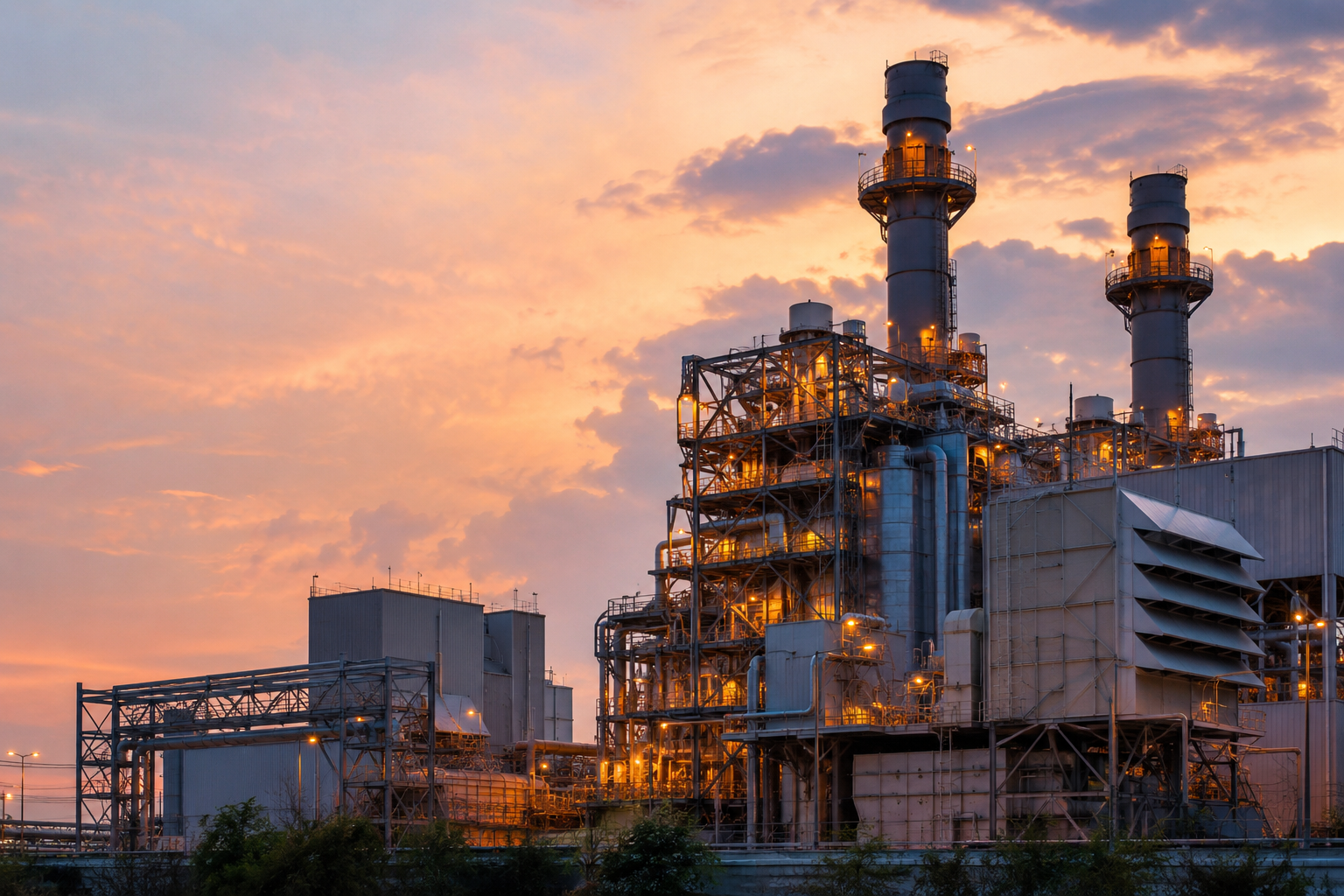
Coal plants are built around one thing: steam.
You’re dealing with:
High-pressure steam lines
Boilers running at extreme temperatures
Turbines spinning at insane RPMs
For Pipefitters
Precision matters, but thermal expansion is everything
Systems grow, shrink, and move constantly
Supports, guides, and anchors are critical
For Welders
A lot of chrome alloys (P91, P22, etc.)
Strict preheat and post-weld heat treatment (PWHT)
X-ray quality welds—no shortcuts
For Riggers
Heavy components (valves, turbines, headers)
Tight spaces and elevated lifts
Heat stress is real during outages
Biggest Dangers
Steam leaks (invisible killers)
Burns from hot surfaces
Pressure releases that don’t give warnings
Steam doesn’t explode like fire—it cuts through you silently.
Oil & Gas Refineries – Fire, Pressure, and Volatility
What You’re Working With
Refineries process hydrocarbons—crude oil into usable fuels.
You’re dealing with:
Flammable gases and liquids
Pressure vessels and process units
Constant flow systems under load
For Pipefitters
Complex routing and tie-ins
Working around live systems during turnarounds
Gasket integrity and bolt-up is life or death
For Welders
Carbon steel, stainless, exotic alloys
Fast-paced turnaround work
Weld quality matters—but so does speed under pressure
For Riggers
Crane work everywhere
Setting exchangers, vessels, towers
Coordinating lifts in congested units
Biggest Dangers
Explosions
Fires
Gas exposure (H2S especially)
One spark in the wrong place can change everything in seconds.
Chemical Plants – Invisible Hazards and Precision
What You’re Working With
Chemical plants deal with refined, reactive substances.
Not just flammable—toxic, corrosive, unstable.
For Pipefitters
Cleanliness is critical (especially for specialty chemicals)
Small bore tubing and instrument lines matter just as much as big pipe
Exact tolerances—no “close enough”
For Welders
Stainless and exotic metals dominate
Contamination can ruin a system
Sometimes you’re welding systems that can’t have a single impurity
For Riggers
Smaller, more delicate lifts
Equipment may be sensitive or hazardous
Precision placement over brute force
Biggest Dangers
Toxic exposure (you may not smell it)
Chemical burns
Long-term health effects
Some of the most dangerous things in these plants… you can’t see, smell, or feel right away.
The Real Differences That Matter
1. What Can Hurt You
Power Plant → Heat & Pressure
Refinery → Fire & Explosion
Chemical Plant → Toxicity & Corrosion
2. Work Pace
Power Plants → Planned outages, methodical
Refineries → Fast, high-pressure turnarounds
Chemical Plants → Controlled, detail-heavy work
3. Skill Emphasis
Power Plants → Metallurgy & heat control
Refineries → Efficiency & coordination
Chemical Plants → Precision & cleanliness
What Every New Hand Needs to Understand
You don’t walk into each of these places the same way.
Respect the plant
Learn the process
Ask questions before assuming
Never carry habits from one facility into another without thinking
Because what’s “normal” in one plant…
can get you seriously hurt in another.
Final Word – Earn Your Spot the Right Way
This industry will pay you well.
It’ll teach you real skills.
It’ll give you a life most people don’t understand.
But it demands one thing in return:
Respect—for the craft, the crew, and the environment you’re in.
Brought to you by Tentacle Tools
Built for the hands that build everything!
Other Blogs
Explore insights, tips, and trends in tech and productivity!