


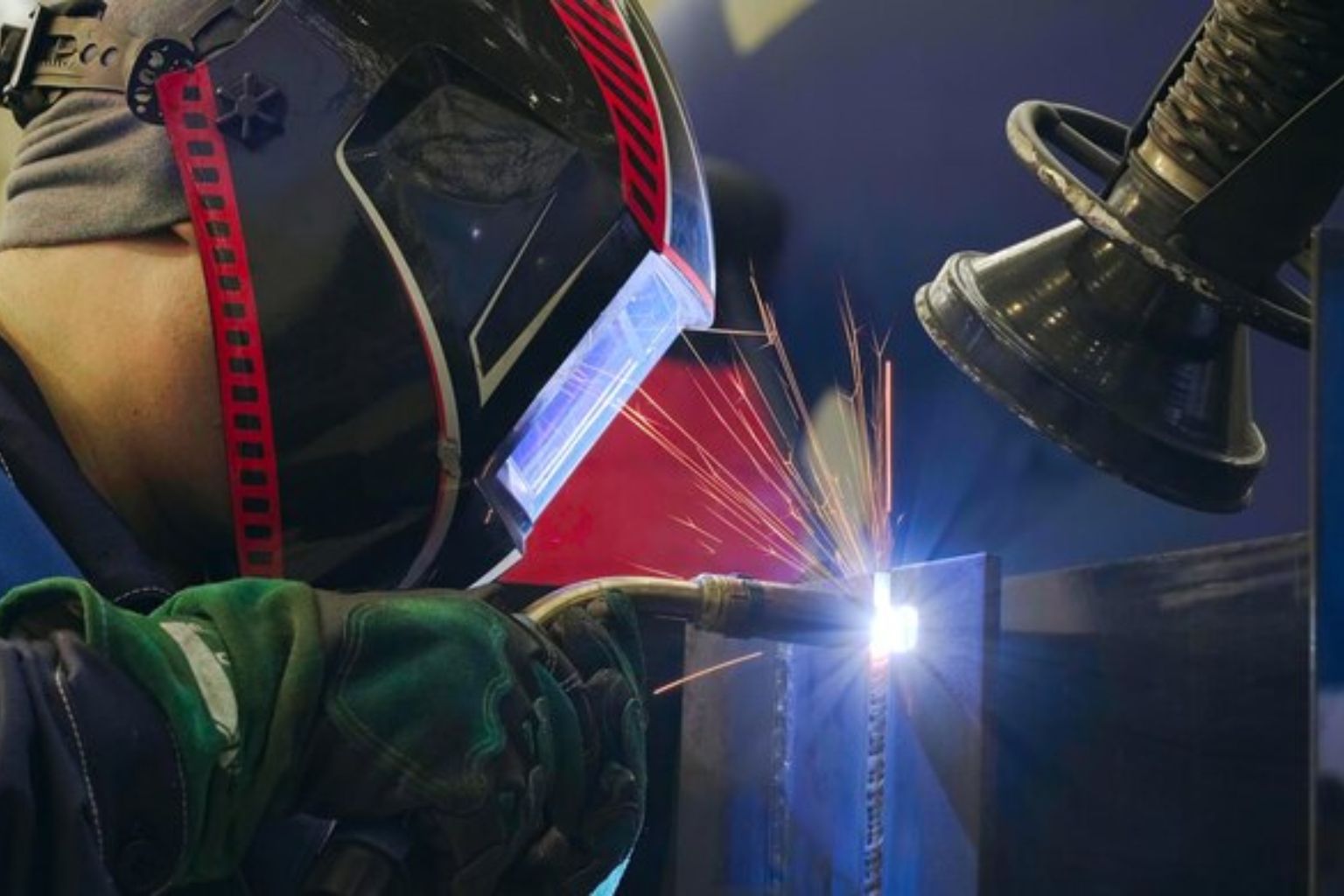
Learn how Magnetic Welding Tools improve alignment, speed, and accuracy. Discover top picks, best uses, and maintenance tips for 2026.
A square tube refuses to stay true. A frame pulls half a degree once heat builds. Clamps crowd the joint, hands feel short, and alignment becomes guesswork. That moment is usually where Magnetic Welding Tools enter the conversation, as a stabilizer when precision starts slipping.
Magnet-based holding tools have existed for decades, yet their role in modern fabrication has shifted. Stronger alloys, smarter geometries, and better heat tolerance have changed how professionals rely on them. Still, confusion lingers. What actually works. What only looks useful on a shelf. Where magnets quietly cause problems.
This breakdown aims to clarify that space.
Despite automation creeping into fabrication shops, manual alignment remains unavoidable. Tack welds still need hands-free. Fixtures still get reconfigured daily.
Magnetic Welding Tools offer three advantages that remain difficult to replace.
First, speed. Setup time often drops noticeably when magnets replace temporary bracing.
Second, access. When traditional welding clamps block torch angles, magnets sometimes solve the geometry problem.
Third, repeatability for light to medium assemblies. Not perfect consistency, but close enough for many production runs.
That said, magnets do not replace everything. They supplement, sometimes elegantly, sometimes awkwardly.
The familiar red blocks. Common angles include 45, 90, and 135 degrees.
They excel during initial fit-up, especially for frames, brackets, and box structures. Accuracy depends heavily on magnet quality and surface cleanliness.
Lower-grade versions tend to lose holding force quickly once spatter builds.
These offer flexibility at the cost of complexity. Hinged or slotted designs allow non-standard angles, which sounds ideal until heat distortion enters the picture.
They work best for tack alignment, not full weld passes.
A newer category is gaining attention. Internal switches allow magnetism to disengage during positioning.
Less metal debris buildup. Easier cleanup. Slightly heavier units.
These are increasingly favored in production environments.
Some jobs almost invite magnets.
In these cases, Magnetic Welding Tools reduce setup friction without introducing serious drawbacks.
They also pair well with welding tables that include ferrous surfaces, allowing magnets to act as quick stops rather than primary holders.
This part often gets skipped in glossy tool roundups.
Magnets can distort arc behavior, particularly in TIG welding. Arc blow is not guaranteed, but it is possible. DC welding suffers more than AC.
Heavy plate fabrication exposes another weakness. Magnets rarely provide enough holding force to resist thermal pull during full penetration welds.
Also worth noting. Magnets attract grinding dust. That buildup reduces accuracy over time unless cleaned consistently.
Magnets only work on ferrous metals. That seems obvious, yet it catches people mid-project.
Stainless varies. Aluminum ignores magnets entirely. Painted or scaled surfaces reduce holding force more than expected.
Clean metal matters. Even thin mill scale can alter alignment.
Professionals often wipe contact points quickly before positioning magnets. A small habit. Big difference.
Not all welding magnets for sale deserve space in a toolbox.
Indicators of better quality include:
Some budget options work initially, then degrade rapidly once exposed to heat cycles.
Price alone does not define quality, but extremely low-cost magnets often disappoint under shop conditions.
Magnets shine when paired intelligently with other tools.
Many fabricators use magnets only during tack phases, then switch to welding clamps before final passes.
Others mount magnets to welding tables as temporary stops, allowing faster part squaring without permanent fixtures.
Welding pliers still play a role, especially where magnets cannot reach or when non-ferrous materials enter the job.
Welding grinder tools also become part of magnet maintenance. Clean faces weld straighter.
Several trends appear to be influencing tool design.
Stronger rare-earth blends improve holding without increasing size.
Switchable magnet systems reduce debris buildup.
Hybrid fixtures combine magnets with mechanical stops.
Heat shielding materials around magnet cores extend service life.
These refinements do not reinvent magnets. They refine trust.
Over time, even reliable tools can fall short of the demands of daily work. Tentacle Tools approaches product design based on real-world shop experience, rigorously testing each tool under actual welding conditions before release. This hands-on perspective ensures attention to critical details such as grip comfort, magnet placement, and long-term durability features that often matter more than specifications listed in marketing materials.
Discover Tentacle Tools – Experience the Difference of Gear Made by Welders, for Welders. Explore Now!
Neglect ruins magnets faster than heat.
Simple practices help.
No tool remains accurate without care. Magnets are no exception.
Relying solely on Magnetic Welding Tools limits flexibility. Combining them with welding clamps, pliers, and properly grounded welding tables creates a workflow that adapts instead of forcing compromises.
The most efficient shops tend to rotate holding methods depending on joint type rather than committing to one philosophy.
That adaptability often separates clean builds from constant rework.
Are magnetic welding tools safe for TIG welding?
They can be used cautiously. Arc interference is possible, especially with DC TIG.
Do magnets lose strength over time?
It appears that gradual weakening can occur, mainly from heat exposure and impact damage.
Can magnets replace welding clamps completely?
Unlikely. Magnets assist alignment but rarely provide sufficient holding for full welds.
Are switchable magnets worth the cost?
For frequent use, many find reduced debris buildup worth it.
Do magnets work on stainless steel?
Some grades respond weakly. Results vary by alloy.
Explore insights, tips, and trends in tech and productivity!


