

The habit kicks in at the gate: check the phone, grab a photo of the rack. Why leaving it in the truck protects the job and your name.
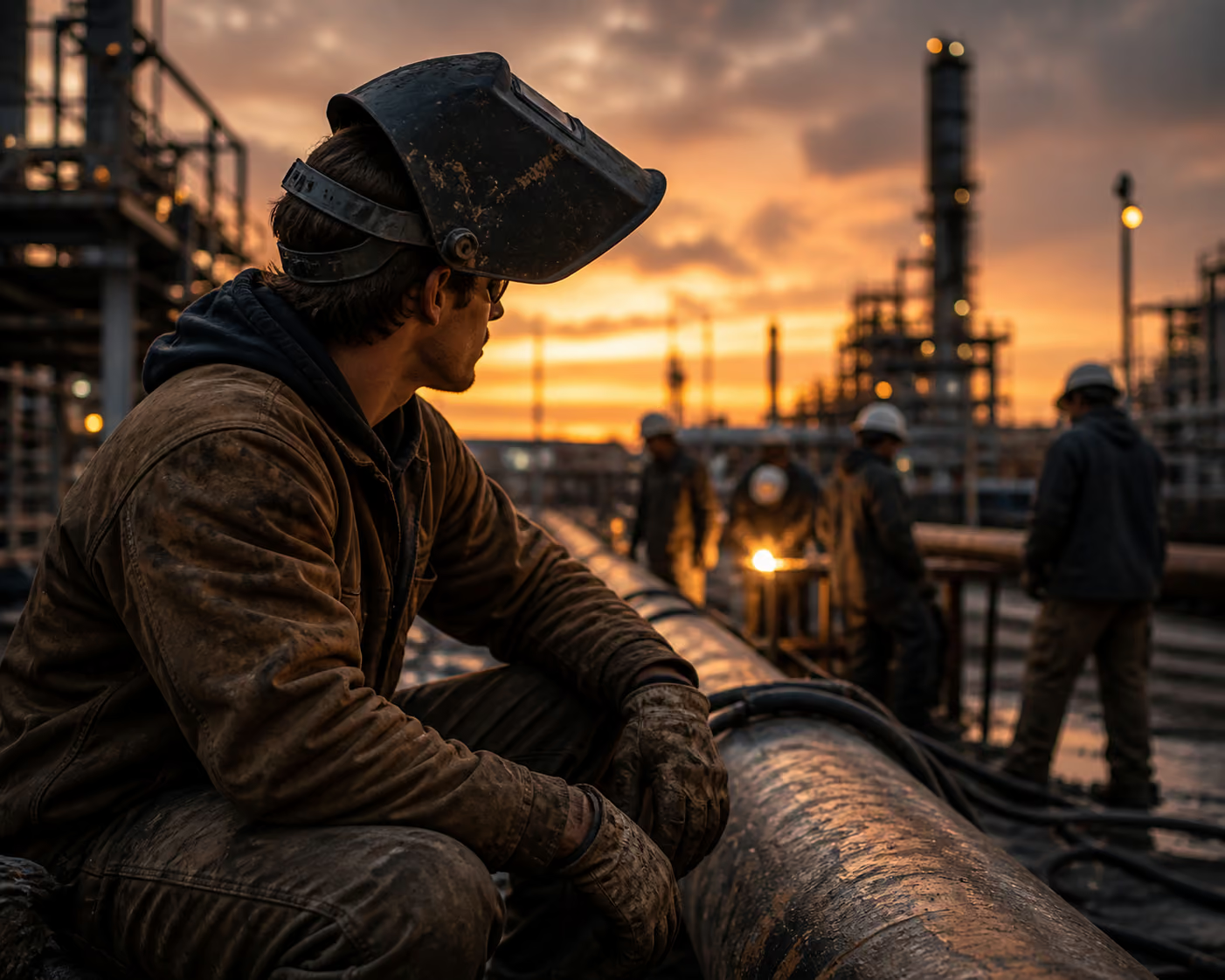
You roll through the gate and the habit kicks in. Check the phone. Glance at the group chat. Maybe grab a picture of the rack because the sunrise looks mean and the steel looks clean. It takes five seconds. Feels harmless.
It is not harmless.
Out here, a phone can cost you a job, a contract, and a name you spent years building. Companies are on edge. Too many leaks. Too many short clips that make a plant look sloppy or unsafe. One photo with a logo in the background and your face tied to it, and now the office knows your name for the wrong reason.
Most of us do not mean harm. We just want to show our people we are alive. We want to prove we were here, working in the real world while everyone else scrolls. I get it. But on a live site, the camera changes the room. People get quiet. A foreman gets tight. An inspector thinks you are building a case instead of a spool. Nobody relaxes when the lens comes out.
If you need a rule that saves you, make it simple. Phone stays in the truck. If it must come with you, it lives in your pocket face down. If someone calls, take it on the break under the open sky. No photos. No video. No play by play on a job that is not finished and not yours to show.
You want to be proud of your work. So do I. Take pictures at the yard where it is allowed. Take pictures of mockups you built in your own shop. Take pictures of the hood you repaired and the table you welded for your own porch. Post those. Keep the live line off your feed. There are logos in the reflection you did not see. There are gauges and tag numbers in the frame you did not notice. Someone else will notice.
There is also the safety piece nobody talks about. A phone steals your eyes for three seconds at the wrong time and you miss a change in pressure, a moving lift, a loose guard, or a tired hand stepping into a pinch. You think you can multitask. You cannot. I cannot. Nobody can. That is how people get hurt.
If the job truly needs a photo, let the right person take it. The QA guy. The inspector. The foreman with the site camera. Ask for a copy if you want it for your book. If it goes up anywhere public, strip the names, strip the logos, strip the numbers, and ask permission like a grown man who understands risk.
You might say, everybody posts. The company does not really care. They care when it blows up. They care when a client sees something ugly before the fix. They care when a union rep asks why a guard was off in your selfie. They care when the news shows your clip and suddenly your phone is not the only thing ringing. Nothing you post beats the day they walk you to your truck because of it.
If you run a crew, set the tone. Say it clean at toolbox. “Phones stay off the floor. No photos on this site. If you see a camera, it is for work only.” That is not you being a hard nose. That is you protecting paychecks. After a week, people stop reaching for the pocket. The work gets quiet again. Quiet is good.
If you must share your pride, share what matters. Call your kid. Text your partner. Tell the old man who taught you how to burn a root that you finally nailed that position that used to beat you up. That conversation lasts longer than any clip with a heavy filter.
I am not against phones. I am against losing your name to a thing that never swung a hammer. The road is hard. The work is hard. Do not add a new way to get fired because the lighting looked nice on a column you did not build.
When you hit the gate at the end of shift, pick up the phone and send a picture that will not cost you. Boots lined up by the door. Thermos steaming on the tailgate. Pink sky over pumpjacks on a county road. Your people will still know what you do. They will still be proud. You will still have a job tomorrow.
Keep the phone in the truck. Keep your eyes on the steel. Keep your name clean.
Respect.
Explore insights, tips, and trends in tech and productivity!