

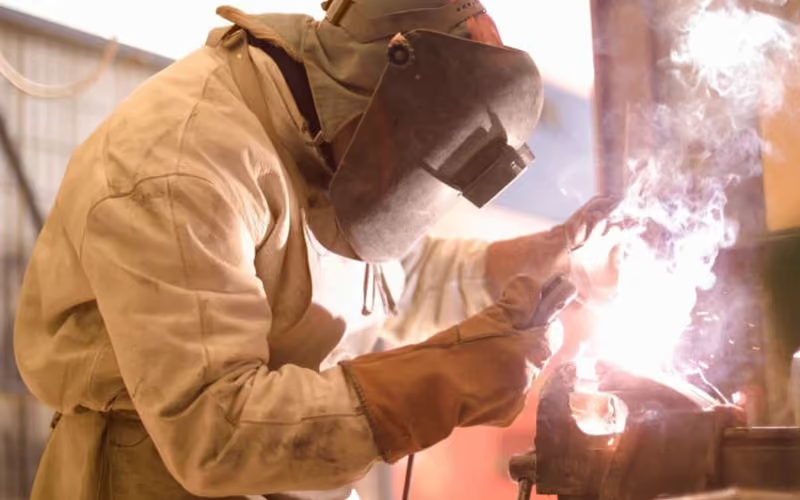
Learn how layering welding apparel with Tentacle FR shirts, sleeves, & aprons boosts comfort & safety while keeping sparks off where they shouldn’t be.
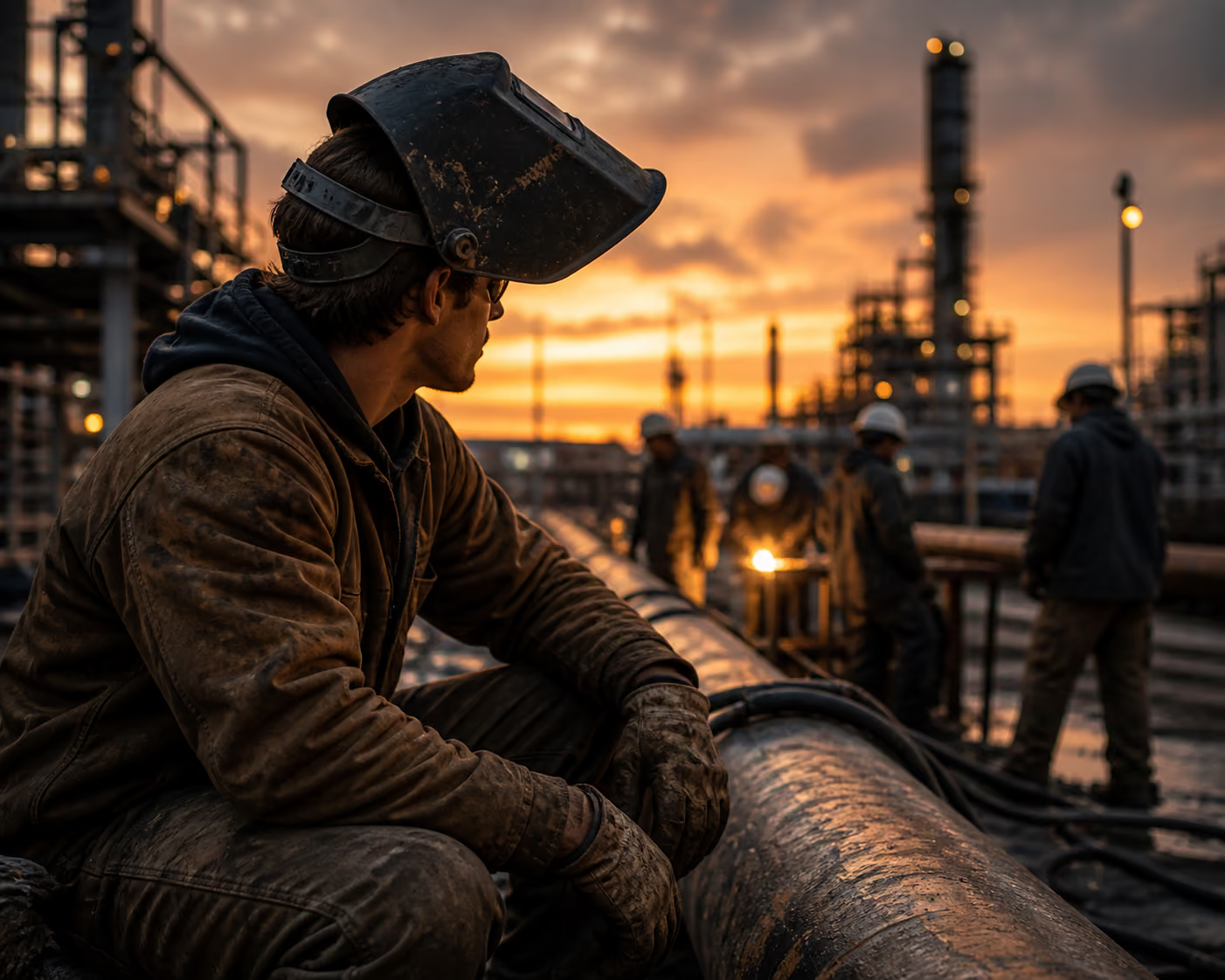
When sparks fly, it’s not just about skill. Protection matters. And the right way to stay safe often comes down to how you layer welding apparel. Wearing multiple layers isn’t a fashion choice; it is a strategy. Comfort, mobility, and burn prevention all depend on it. Some welders overlook it, others get it wrong.
Welding apparel exists for a reason. Sparks, molten metal, and ultraviolet radiation are hazards that don’t wait. A thin shirt might seem enough until a stray spark lands on your arm. Not all fabrics behave the same. Some trap heat, some resist fire better than others. Choosing the wrong layer can be dangerous.
The goal is to balance coverage with flexibility. Too much fabric restricts motion. Too little, and protection fails. Layering provides a solution that spreads risk, absorbs heat, and allows movement.
Think of layers like shields, each with a role.
Base Layer
Purpose: Moisture control, comfort against the skin
Example: Tentacle FR welding shirts
Middle Layer
Purpose: Secondary protection, insulation
Example: Welding sleeves, light jackets
Outer Layer
Purpose: Maximum spark resistance
Example: Welding aprons, heavy jackets
The base layer touches your skin. It needs to be breathable, light, and flame-resistant. The mid-layer adds protection but should still move with you. The outer layer takes the hits, sparks, spatter, and heat. Skip one layer, and the rest has to compensate. Sometimes it works, sometimes it doesn’t.
Cotton is standard for a reason: breathable, comfortable, and naturally flame-resistant. Synthetics can melt, which is worse than having no layer at all. Mid-layers might combine cotton and wool blends. Outer layers require toughness, like leather or FR-treated fabrics.
Combining materials seems simple, but not all mixes are smart. Some fabrics catch heat differently. Layering is about testing combinations until sparks bounce off where they should, and heat doesn’t linger where it shouldn’t.
Many welders assume a long-sleeve shirt is enough. Usually, it isn’t. Arms get hit. Sparks, UV, burns. Sleeves fill that gap.
Tentacle FR welding sleeves, for example, are designed to protect without restricting arm motion. Thin sleeves can work for short tasks.
Long jobs? Thicker sleeves are safer.
An apron is your last line of defense. It protects the torso and leg spots that often get ignored. Leather is classic, heavy, but reliable. FR fabrics can be lighter, still strong, and surprisingly durable. Aprons vary in length, cut, and flexibility. Choose one that fits your work style. Too loose, it flaps; too tight, it restricts.
Safety is useless if you can’t move. Overlayering is common. Welders pile on protection but lose range of motion. Proper layering balances safety and freedom.
Tentacle FR shirts plus lightweight sleeves allow rotation without fabric bunching. It works better than just a thick jacket. The trick is layering for movement, not just coverage.
Even experienced welders slip up:
These errors are easy to make but hard to reverse. Prevention is better than repair.
Too often, comfort is ignored. Sweat management, breathable fabrics, and lighter layers reduce fatigue. Base layers are often underestimated. Some welders think outer layers alone are enough. Likely, that leads to heat stress. Proper inner layers handle moisture, keep you moving, and let outer layers do the heavy lifting.
Minor changes, yes, but they make long sessions bearable and safer.
Tentacle Tools offers welding shirts and sleeves built for real welders. The designs aim for protection, comfort, and freedom. Layering Tentacle FR shirts with compatible sleeves and aprons can reduce fatigue and keep sparks off where they shouldn’t be.
Gear Up for Maximum Protection—Shop Tentacle FR Shirts and Sleeves Today!
MIG
Suggested Layers: Base + sleeves + apron
Notes: Fast sparks, frequent arm motion
TIG
Suggested Layers: Base + light sleeves
Notes: Precision work, minimal bulk
Stick
Suggested Layers: Base + mid + apron
Notes: Heavy spatter, long sessions
Fabrication
Suggested Layers: Base + sleeves + apron
Notes: Welding plus grinding tasks
Adapting layers to the job is smarter than sticking to the same setup every day. Efficiency improves, and accidents drop.
Layers only work if intact. Inspect:
Wash carefully. High heat and bleach can ruin FR fabrics. Sometimes it seems easier to throw old clothes in, but proper care saves injury and money.
Not reliably. It works as a base but needs FR layers on top for real protection.
Q2: Are sleeves mandatory with long-sleeve shirts?
When fabric frays, burns, or loses flame resistance. Check every heavy job.
Not if chosen carefully. Base and mid-layers should move with your body.
Yes. Breathable base layers wick moisture, reducing heat stress even under multiple layers.
Layering welding apparel is deliberate. It reduces risk, manages heat, and keeps you comfortable. Every layer has a purpose, and every fabric choice matters. Ask yourself before each job: Are my arms covered? Can I move freely? Are the fabrics compatible? Small choices, big difference.
Tentacle Tools’ shirts and sleeves show how thoughtful design changes the workday. Layer smart, protect better.
Explore insights, tips, and trends in tech and productivity!